
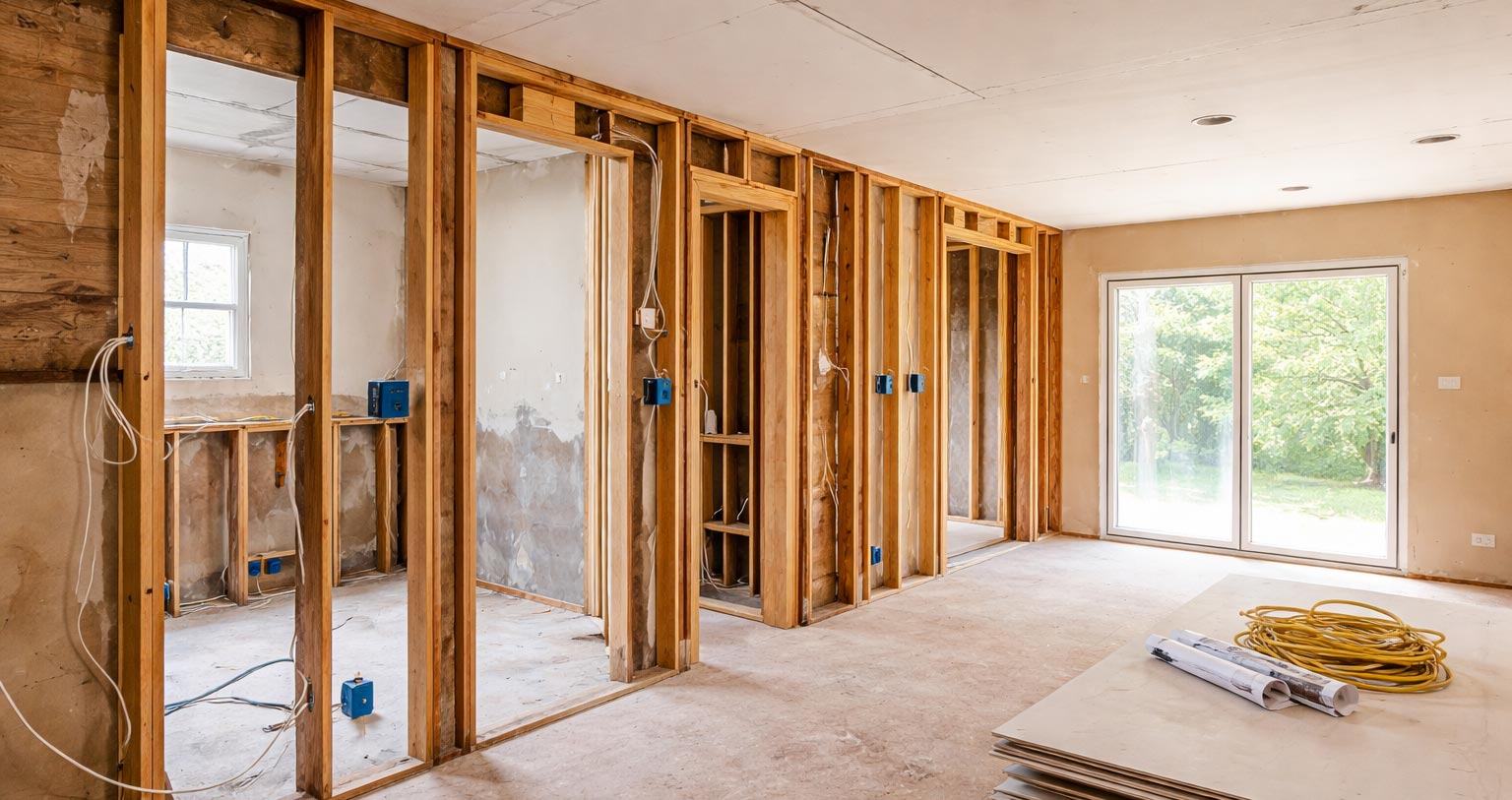
What acting as your own GC actually involves
Acting as your own general contractor can make sense for some homeowners. In Austin, however, it carries risks that aren’t always obvious at the start.
Why self-GC is not as straightforward as it seems
Permitting timelines, inspection sequencing, and trade availability create constraints that can quickly derail a project if decisions are made without a clear understanding of downstream consequences. The question isn’t whether acting as your own GC is possible. It’s whether it’s realistic for your project, schedule, and tolerance for risk. Some homeowners explore advisory support from a construction consultant before deciding how to proceed.
Many homeowners consider self-GC for understandable reasons. Some want tighter cost control. Others have had poor experiences with contractors. Some simply want more direct oversight of their project. None of those motivations are wrong. Problems arise when those motivations aren’t paired with a clear understanding of how residential construction actually unfolds.
Austin-specific risks: inspections, schedules, and sequencing
In Austin, construction is less forgiving than it appears from the outside. In permitted projects, inspection timing and outcomes often dictate sequencing more than the original schedule does. Permits, inspections, and trade scheduling are tightly linked. Miss an inspection window, misunderstand a sequencing requirement, or assume a trade will be available when you need them, and delays begin to stack. These issues rarely appear at the outset. They surface mid-project, when fixes are expensive and options are limited, especially if you're dealing with Austin's permitting requirements.
Common challenges of managing your own project
One of the most common self-GC mistakes is underestimating the time commitment required. Acting as your own GC isn’t a side task. It often demands daily attention, rapid decision-making, and constant coordination between trades, inspectors, and suppliers. If decisions are delayed—even by a day or two—downstream work can stall. It helps to go in knowing what realistic timelines look like.
Another frequent issue is budget realism. Many self-GC budgets look fine on paper but lack adequate contingency or fail to account for the true cost of sequencing delays. When one trade slips, others often reschedule, and costs rise quietly through extended rentals, temporary utilities, re-mobilization, or lost time. Be realistic about how much contingency you actually need.
Permitting and inspections are another major risk area. Austin’s permitting process introduces dependencies that aren’t always intuitive. Certain inspections must occur in a specific order, and missing one can require rework or partial demolition. These are not theoretical risks; they are common failure points on residential projects.
Most self-GC projects don’t fail because of poor workmanship. They fail because of decision-making gaps: unrealistic schedules, soft budgets, incomplete permit understanding, and choices made without visibility into what comes next. Early decisions ripple forward. When those ripples aren’t anticipated, small missteps become structural problems.
When acting as your own GC tends to work
Acting as your own GC can work under the right conditions. Projects with well-defined scope, fewer structural changes, and homeowners who are available and comfortable making fast decisions tend to fare better. Success also depends on understanding not just what work needs to happen, but when and in what order.
Self-GC becomes significantly riskier when projects involve structural modifications, multiple inspections, tight timelines, or homeowners with limited availability. In those cases, the cost of mistakes often exceeds the perceived savings of managing the project independently.
Where advisory support helps most
This is where advisory support can add value. Independent construction consulting doesn’t replace a GC, and it doesn’t manage construction. It exists to help homeowners pressure-test assumptions, identify risk early, and understand the downstream consequences of decisions before they’re locked in. It's also an excellent option for mid-project recovery scenarios.
If you’re considering acting as your own GC in Austin and want an objective assessment before committing, a paid consult can help clarify where the real risks lie and whether the approach makes sense for your specific situation.