
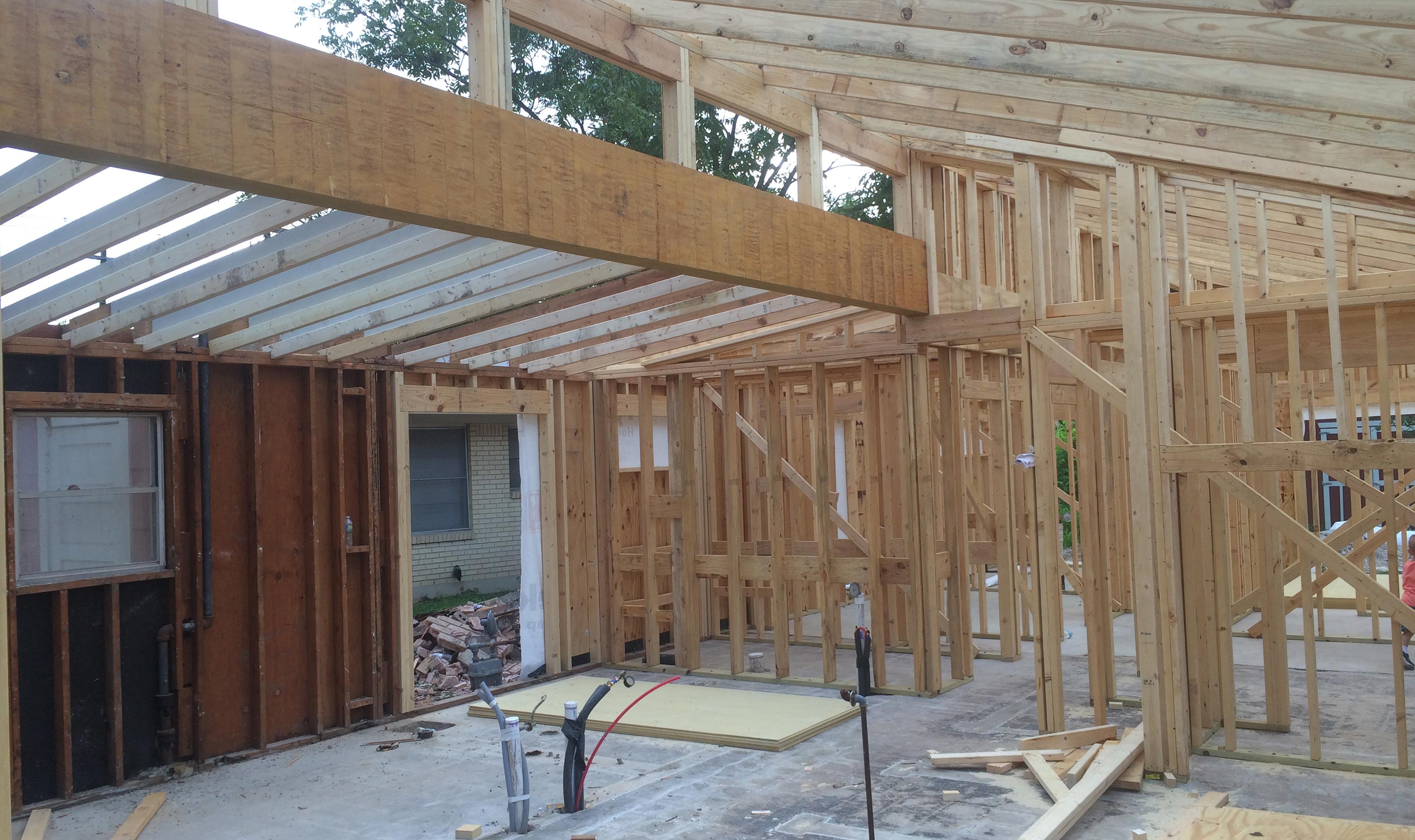
Most homeowners don't fire their contractor. They suffer.
They rationalize delays, accept excuses, and keep writing checks long after the warning signs appeared. By the time they're ready to act, they've often paid for work that hasn't been done and lost months they can't get back.
I've been there myself. My GC had presented a budget I was starting to question, was dodging my calls, and the project was sitting dormant. I fired him and finished it myself. I now manage residential construction professionally in Austin. What I've seen is that most homeowners wait too long and pay too much before they act.
This post is about what to do before it gets to that point, and what your actual options are when a project starts going sideways.
The Warning Signs (Before the Big Ones)
The obvious signs of a failing GC are easy to recognize: work has stopped, calls go unanswered, the site is quiet for days at a time. By then you're already in trouble.
The earlier signals your project is off track are subtler.
If a GC says something will be done Tuesday and it's done Wednesday, that's normal. Construction is unpredictable. But if you're expecting five things completed in a week and two weeks later only two are done, that's a pattern. It means the GC either has poor schedule control or has a problem they haven't disclosed yet.
Early change orders are another signal, though not always. Demo tends to expose unexpected conditions on remodels, and those legitimately cost money. But if change orders start appearing for work you thought was clearly in the original scope, you're probably in for an expensive ride. The bid wasn't honest about what it included.
Watch how the GC handles mistakes. Every contractor makes them. I make them, and they frustrate me, but they happen on every project. The response to a mistake tells you more than the mistake itself. A GC who admits the error and explains how they'll fix it is operating with integrity. A GC who denies it happened, or deflects, is telling you something important about how the rest of the project will go.
Pay attention to finish selections. If your GC isn't getting decisions from you early and throughout the build, choices are being made without you, or the GC is stacking up future delays. The plumbing rough-in valves installed in January dictate the fixture types you'll see installed in May. If nobody asked you about them, someone guessed. That guess will cost you more than you think, and a bad GC will call it a change order.
What to Do First: Document Everything
Before you confront anyone, before you call an attorney, before you say a word, start documenting.
Every missed commitment. Every unanswered call. Every decision made without your input. Every mistake and how it was handled. Write it down with dates. If something was said in person, follow up with an email confirming what was discussed. Build a paper trail.
This isn't paranoia. It's protection. Most remodels involve a contract, and most contracts have teeth, but only if you can show what was violated and when. Documentation also gives you something concrete to bring to a conversation rather than a vague feeling that things aren't right.
Give it a week or two. Then ask for a meeting.
The Meeting You Need to Have
Once you have a documented pattern, request an in-person meeting with your GC. Not a phone call. In person.
Come prepared with a few key examples: specific dates, commitments made, what happened or didn't. You don't need to read a list of every infraction. A few concrete ones make the point.
Then ask this question:
"I want this project to go smoothly. What can I be doing to make that happen?"
That framing matters. It signals clearly that you're unhappy, but it positions the next steps as collaborative rather than adversarial. You're giving the GC a chance to respond and reset.
If the GC engages honestly, explains what's really going on, and proposes a path forward, that's a different conversation. Listen. A project back on track with the same contractor is almost always better than the alternative.
If the meeting doesn't go well, then be direct: "I can't keep paying for work if I don't see that work is actually happening. I don't want that outcome. I want us to find a path forward."
That's a warning shot, not a unilateral action. You're making the consequence clear while leaving the door open. The GC is doing the job for money. The homeowner holds the purse strings, directly or indirectly, and a motivated contractor knows it.
Understanding Why Projects Go Off Track
Knowing the cause shapes your response.
Cash flow is the most common culprit, especially when the winning bid was the cheapest, and it's the most dangerous. A GC who underbid the job to win it may be struggling to cover costs, which affects everything from paying subs to ordering materials on time. Cash flow problems are usually the earliest to surface, and unfortunately, the right response, stopping or slowing payments until work catches up, directly worsens the GC's problem. It's an ugly situation, but continuing to fund a project that's falling behind on work is worse. You don't want to be in a position where you've paid $300,000 for $180,000 worth of completed work.
At an established firm with a good track record, the more likely issue is that your project isn't the top priority. Someone on the team is overcommitted. In that case, being a squeaky wheel actually helps, not by being difficult, but by making clear you're paying attention. If they say something will be done by Friday, don't follow up until Saturday. Then follow up. Make it known that you notice every slip.
The goal isn't to be a pain. The goal is to be the client who gets prioritized.
When to Involve an Attorney (and Your Lender)
If the face-to-face meeting doesn't move things in the right direction, an attorney consultation makes sense. Not to file anything, not to threaten, just to understand your options and get specific guidance on what your contract actually allows.
One thing most homeowners don't think about: if there's a construction loan involved, call your lender too. The bank has skin in the game and may have guidance, resources, or leverage you don't. They've seen failing projects before and have a strong incentive to help get things back on track.
Legal action almost always slows a project. Courts, demand letters, and formal disputes create friction that delays construction further. For most homeowners, legal escalation is a last resort. But knowing where you stand legally before things deteriorate further is smart, and a single consultation is usually enough to understand your position.
When to Actually Pull the Trigger
There's no universal answer to when firing makes sense. It depends on where you are in the project, how much you've paid versus how much work has been done, and what leverage you actually have. It's a calculation on what this is costing you.
The payments question is critical. If you're roughly even, payments close to completed work, firing is a cleaner decision. If you're significantly ahead on payments, your options narrow considerably.
A friend of mine fired his contractor over poor performance but had tens of thousands of dollars in finishes the contractor was storing at the site. He had real leverage and wasn't far out on a limb. My own situation was similar. I'd paid in installments and we were roughly even. Firing made sense.
If you're significantly ahead on payments and the project is incomplete, the conversation changes entirely. That's when independent advice on where things actually stand can be worth more than another conversation with the GC.
If you've already made the decision, this post covers what comes next.
The Bottom Line
Most failing GC situations don't require firing. They require documentation, a direct conversation, and a clear signal that you're paying attention and that continued payment depends on continued progress.
Save firing for when those steps have failed, when the payment math makes sense, and when you have a clear picture of what you're stepping into. If you're not sure whether you're there yet, that uncertainty is itself a reason to get an outside read before you act.